
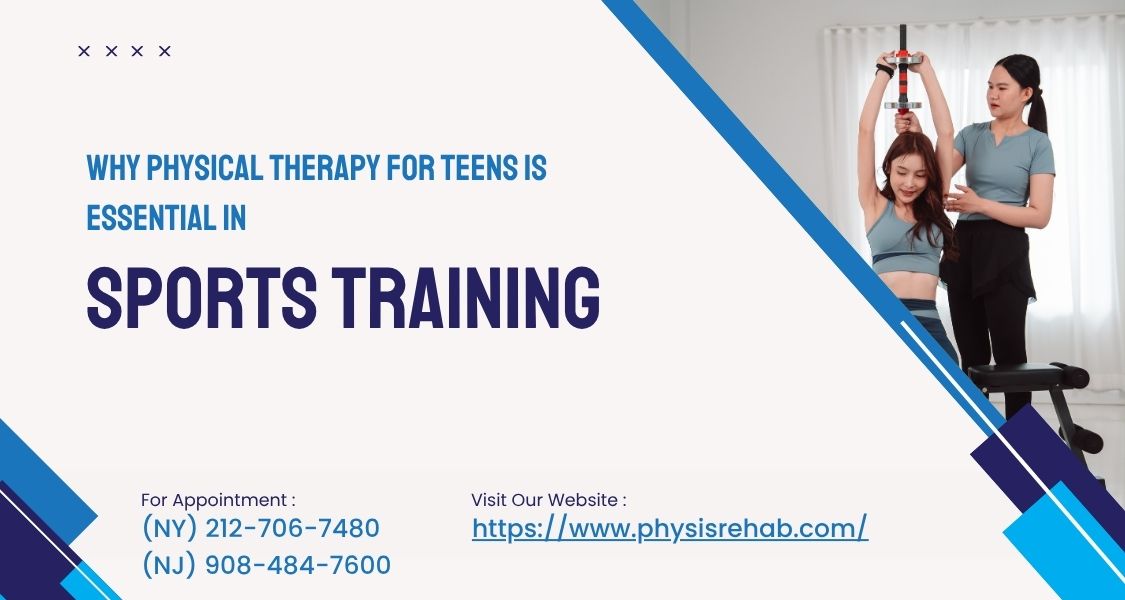
Why Physical Therapy for Teens is Essential in Sports Training [Expert Guide]
Physical therapy has become more significant for teens as youth athletes face unique risks during sports training. Their growing bodies remain vulnerable to overuse injuries and strain. Teen sports training can be very dangerous without proper guidance. Parents and coaches have witnessed how early proper training habits prevent these injuries and build a foundation for lifelong physical wellbeing.
The specialized care makes a vital difference in teen physical therapy. Young athletes often suffer from overuse injuries because their developing bodies handle heavy training loads. Looking for sports physical therapy shouldn’t just happen after an injury—it should be part of athletic development. Many communities now have physical therapy readily accessible, which helps young athletes spot warning signs before minor problems turn into major setbacks. This early guidance will give teen athletes a safe way to train and reach their full potential.
Why Physical Therapy Matters in Teen Sports
Teen athletes are different from adults. Their bodies go through constant changes during puberty that make them especially vulnerable to sports injuries. Each year, 30 to 45 million children play in organized sports, which shows why they need specialized care.
Teen athletes suffer about 3 million sports-related injuries yearly. Overuse injuries make up almost half of all sports medicine cases. These injuries happen because growth plates—areas of developing cartilage at the ends of bones—become a lot weaker when teens grow rapidly.
The year after Peak Height Velocity is crucial for teens’ adaptation. Their muscles lengthen, grow in cross-section, and their bones become denser. These changes affect how they move and coordinate, which often leads to performance plateaus or drops.
Boys and girls show different injury patterns. Girls tend to hurt their shins more often, while boys usually have knee problems. Girls hit their growth spurt around age 12, but boys peak later around age 14.
The best physical therapy for teens comes from specialists who know these unique developmental challenges. Sports physical therapy clinics near me should check for movement problems before they cause serious issues. Quick action can stop small problems from becoming chronic conditions that need surgery or long-term rehabilitation.
How Physical Therapy Supports Safe and Effective Training
Physical therapy revolutionizes how teen athletes train through several proven approaches. Athletes who follow proper warm-up and cool-down routines can reduce their muscle injuries by 30-50%. Instead of just static stretching, physical therapists help teens with dynamic warm-ups that raise their heart rate and prepare their muscles for activity.
Posture correction is vital for athletic performance. Athletes with good posture achieve better biomechanics, which improves their reaction time, speed, and agility. Physical therapists use targeted exercises to fix postural imbalances that could limit performance and increase injury risks.
Recovery strategies play a key role too. The most effective physical therapy programs for teens include 1-2 rest days each week without hard training. These rest periods let growth hormones work during sleep to repair muscles and form new bone tissue.
Functional Movement Screening (FMS) serves as a powerful assessment tool. Teen athletes who score 14 points or less face higher injury risks. Sports physical therapy programs help improve FMS scores by an average of 3.28 points. This is a big deal as it means that athletes spend less time injured and more time training.
Long-Term Benefits of Physical Therapy for Teen Athletes
Physical therapy gives teen athletes more than just training benefits – it creates lasting advantages that stay with them for life. Regular therapy sessions boost bone density and build a foundation for skeletal health that peaks between ages 20-30. This key development stage affects bone strength by a lot throughout life and lowers the risk of osteoporosis later on.
Teen athletes gain exceptional body awareness through proper therapy. They develop proprioception—a sharp mind-body connection that lets them master their physical skills. Their enhanced awareness helps them naturally avoid putting too much strain on joints and muscles as they make tiny adjustments that prevent injuries.
Teen athletes who work with physical therapists on proper strength and conditioning programs see better hormone regulation, body composition, and movement control. These benefits go way beyond the reach and influence of their competitive years and help them age healthily.
Mental skills from regular physical therapy prove just as valuable. Athletes learn discipline, goal-setting, and confidence—traits that help them succeed in life. These psychological benefits lead to better grades and career achievements.
Most young athletes can return to their sport successfully through conservative non-surgical treatments and physical therapy. Physical therapists teach teens smarter ways to adjust as they age, which helps them optimize their competitive years through better control and efficiency.
Conclusion
Physical therapy plays a vital role in teen athletes’ development. It’s not just about treating injuries after they happen. Teen athletes face unique physical challenges during their growth years that need special care and attention. Their growth plates stay vulnerable as their bodies develop rapidly, so they need therapy tailored to their changing bodies.
Our experience shows that the right physical therapy techniques cut injury rates and boost performance significantly. A mix of dynamic warm-ups, posture correction, and smart recovery strategies protects growing athletes effectively. Functional Movement Screening catches potential issues before they turn into serious injuries.
The benefits go far beyond sports and last well into adulthood. Teens who get proper physical therapy build stronger bones, develop better body awareness, and improve their hormone balance. These physical advantages combine with mental benefits like discipline and confidence that stay with them through life.
Parents and coaches who want the best results for teen athletes should find qualified sports physical therapists. Physical therapy does more than treat injuries – it prevents them and builds movement patterns that support lifelong health and performance. The right approach helps young athletes excel now and in their future sports careers.
Key Takeaways
Physical therapy for teen athletes isn’t just injury treatment—it’s a proactive approach to safe athletic development that addresses the unique challenges of growing bodies and establishes lifelong healthy movement patterns.
• Teen athletes face 3 million sports injuries annually, with overuse injuries comprising nearly half of all cases due to vulnerable growth plates during rapid development periods.
• Functional Movement Screening and corrective exercises can improve assessment scores by 3.28 points on average, substantially reducing injury risk and recovery time.
• Proper warm-up routines guided by physical therapists decrease muscle injuries by 30-50%, while dynamic movements prepare bodies more effectively than static stretching alone.
• Early physical therapy intervention builds stronger bone density during the critical 20-30 age peak, supporting lifelong skeletal health and reducing osteoporosis risk.
• Beyond physical benefits, teens develop enhanced body awareness, discipline, and confidence through physical therapy—skills that translate into better academic performance and career success.
The investment in specialized teen sports physical therapy pays dividends far beyond competitive years, creating a foundation for healthy aging and sustained physical activity throughout life.
FAQs
Q1. Why is physical therapy crucial for teen athletes?
Physical therapy is essential for teen athletes because it addresses the unique challenges of their growing bodies. It helps prevent overuse injuries, corrects form and posture issues, and establishes proper training habits. This proactive approach not only reduces injury risk but also optimizes athletic performance and sets the foundation for lifelong physical well-being.
Q2. How does physical therapy prevent sports injuries in teens?
Physical therapy prevents sports injuries in teens through various methods, including functional movement screening, correcting form and posture, and implementing proper warm-up and cool-down routines. These practices can decrease muscle injuries by 30-50% and help identify potential problems before they become serious injuries.
Q3. What long-term benefits does physical therapy offer teen athletes?
Physical therapy provides numerous long-term benefits for teen athletes, including improved bone density, enhanced body awareness, better hormone regulation, and improved movement control. It also helps develop mental skills such as discipline, goal-setting, and confidence, which can translate into better academic performance and career success later in life.
Q4. How often should teen athletes engage in physical therapy?
While the frequency may vary based on individual needs, teen athletes should incorporate physical therapy principles regularly into their training routines. This includes at least 1-2 days weekly free from strenuous activity for proper recovery. Regular sessions with a physical therapist can help monitor progress, adjust training plans, and address any emerging issues promptly.
Q5. Can physical therapy help improve athletic performance in teens?
Yes, physical therapy can significantly improve athletic performance in teens. By addressing postural imbalances, improving flexibility and strength, and enhancing body awareness, physical therapy helps athletes achieve optimal biomechanics. This leads to improvements in reaction time, speed, and agility, allowing teen athletes to perform at their best while reducing the risk of injuries.